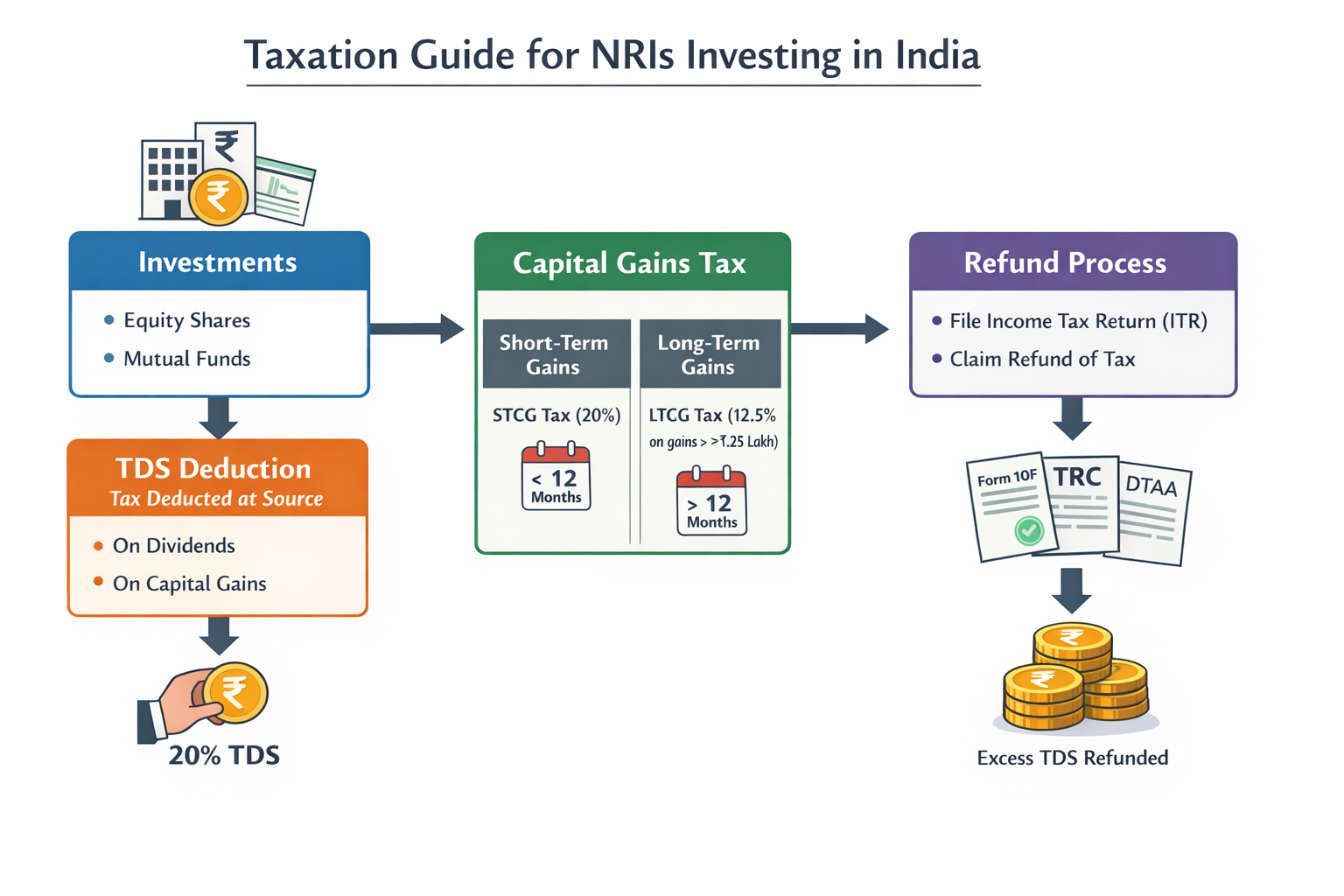
What is TDS?
Tax Deducted at Source (TDS) is a mechanism where the payer (typically a business) deducts tax at the time of making specified payments—such as salary, rent, contractor fees, or professional services—and deposits it with the government on behalf of the recipient.
🔹 What is TCS?
Tax Collected at Source (TCS) applies when a seller collects tax from the buyer at the time of selling certain specified goods or services, as outlined under Section 206C of the Income Tax Act. This includes transactions such as sale of scrap, minerals, high-value motor vehicles, foreign travel packages, and overseas remittances.
TDS/TCS Compliance Responsibilities for Businesses
To ensure proper compliance, businesses must adhere to the following requirements:
- Obtain TAN (Tax Account Number)
Any business responsible for deducting or collecting tax must obtain a valid TAN from the Income Tax Department.
- Timely Deduction or Collection
- TDS should be deducted at the time of payment or credit, whichever is earlier.
- TCS must be collected at the time of receiving payment or invoicing, depending on the applicable rules.
- Deposit to Government
- Both TDS and TCS amounts must be deposited to the government by the 7th of the following month.
- Quarterly Return Filing
- File TDS returns using:
- Form 24Q for salary payments
- Form 26Q for non-salary payments
- File TCS returns using Form 27EQ
- Due dates:
- Q1 (Apr–Jun): 31st July
- Q2 (Jul–Sep): 31st October
- Q3 (Oct–Dec): 31st January
- Q4 (Jan–Mar): 31st May
- Issuing Certificates
- Provide TDS certificates (Form 16/16A) to deductees.
- Provide TCS certificates (Form 27D) to buyers.
- Certificates must be issued within the prescribed timelines.
Consequences of Non-Compliance
Failing to comply with TDS/TCS obligations may lead to:
- Interest and late fees for delays in deduction or deposit
- Penalty of ₹200 per day for late return filing under Section 234E
- Disallowance of expenses under Section 40(a)(ia) for TDS default
- Prosecution and additional fines for willful default
Compliance Best Practices
- Maintain accurate PAN records of vendors and buyers
- Reconcile TDS/TCS entries with Form 26AS and AIS
- Use automated accounting tools to manage tax compliance
- Regularly update tax rates as per the latest finance laws
- Follow a compliance calendar to avoid missed deadlines
Conclusion
TDS and TCS compliance is an essential part of business taxation in India. Adhering to the rules ensures smooth financial operations, avoids penalties, and builds trust with stakeholders. Timely deduction, accurate reporting, and proper documentation form the backbone of effective compliance.
If you have any further questions or need assistance, feel free to reach out to us at admin@ushmaassociates.com or info@nricaservices.com, or contact us via call/WhatsApp at +91 9910075924.
Stay Updated, Stay Compliant!
Disclaimer: Aim of this article is to give basic knowledge about the topic to people who are not in touch with Indian tax norms. When anybody is dealing with these kinds of cases practically, he shall consider all relevant provisions of all applicable Laws like FEMA/Income Tax/RBI /Companies Act etc.