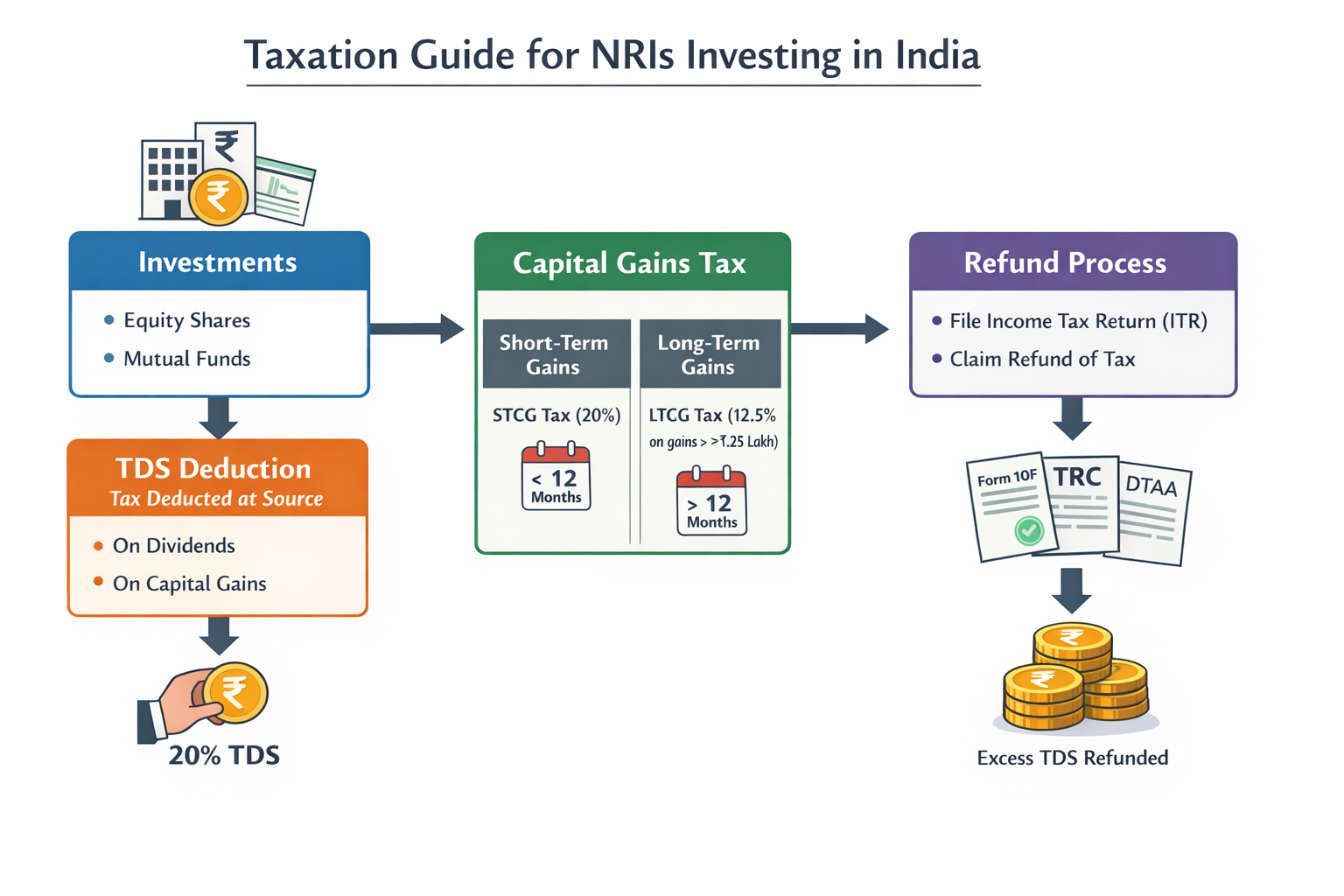
Tax Deducted at Source (TDS) is an essential component of India’s tax framework, ensuring that taxes are collected directly at the source of income. By deducting tax at the time of payment, TDS reduces tax evasion and ensures consistent revenue flow to the government. It is applicable to various income types, including salaries, rent, professional fees, and interest. However, delays in filing TDS returns or remitting the deducted amount can result in penalties, interest, and other legal consequences. This article discusses the meaning of TDS, its deadlines, and the implications of non-compliance.
Understanding TDS
Tax Deducted at Source (TDS) is governed by the Income Tax Act, 1961. Under this mechanism, the payer (referred to as the deductor) deducts a specified amount from payments like salaries, commissions, contractor payments, rent, and professional fees, and deposits the tax with the government.
Example:
| Particulars | Amount (₹) |
| Audit Fees | 50,000 |
| Less: TDS @ 10% (Sec. 194J) | 5,000 |
| Net Payable | 45,000 |
Failure to deposit TDS within the prescribed time attracts interest on late payment.
Due Dates for TDS Remittance
The deadlines for remitting TDS to the government are:
- For TDS deducted from April to February: 7th of the following month.
- For TDS deducted in March: 30th April.
Timely remittance of TDS prevents penalties and ensures compliance with tax regulations.
TDS Return Filing
TDS returns are quarterly statements that detail the amount of TDS deducted and deposited. These returns must be filed by the deductor to the Income Tax Department. Failure to file these returns on time can lead to penalties and legal issues.
Forms for TDS Returns
The type of payment determines the form used for filing TDS returns:
- Form 24Q: For TDS on salaries.
- Form 26Q: For TDS on payments other than salaries.
- Form 27Q: For TDS on payments made to non-residents.
Quarterly Due Dates for TDS Returns
| Quarter | Due Date |
| April to June | 31st July |
| July to September | 31st October |
| October to December | 31st January |
| January to March | 31st May |
Penalties and Interest for Delayed Compliance
Interest on Late Deduction or Payment
As per Section 201(1A) of the Income Tax Act:
- Interest for Late Deduction: 1% per month (or part thereof) from the due date to the actual deduction date.
- Interest for Late Payment: 1.5% per month (or part thereof) from the deduction date to the deposit date.
Example:
If Ms. Priya deducts TDS in June but deposits it in August, interest at 1.5% per month will apply for two months.
Disallowance of Expenses
Under Section 40(a)(i)/(ia):
- For Domestic Payments: 30% of the expense is disallowed if TDS is not deducted or deposited.
- For Non-Resident Payments: The entire expense is disallowed if TDS is not deducted or deposited.
Late Filing Fee and Penalty
- Late Filing Fee: ₹200 per day of delay until the total fee equals the TDS amount.
- Penalty under Section 271H: ₹10,000 to ₹1,00,000 for non-filing or incorrect filing of TDS returns.
- Prosecution: Failure to remit TDS within the prescribed time can result in imprisonment ranging from 3 months to 7 years, along with a fine.
TDS Return Late Payment Intimation
The Income Tax Department may issue a late payment intimation to notify deductors of delays in filing returns or depositing TDS. These notices specify the applicable late filing fees under Section 234E and interest under Section 201(1A). Prompt compliance after receiving such intimations is essential to avoid further legal consequences.
Conclusion
Adhering to TDS regulations and deadlines is a vital responsibility for all deductors. Timely remittance and filing of TDS return not only ensure legal compliance but also avoid penalties, interest, and disallowances. Staying proactive and informed about these rules can save individuals and businesses from hefty fines and potential imprisonment for serious violations.
If you have any further questions or need assistance, feel free to reach out to us at admin@ushmaassociates.com or info@nricaservices.com, or contact us via call/WhatsApp at +91 9910075924.
Stay Updated, Stay Compliant!
Disclaimer: Aim of this article is to give basic knowledge about the topic to people who are not in touch with Indian tax norms. When anybody is dealing with these kinds of cases practically, he shall consider all relevant provisions of all applicable Laws like FEMA/Income Tax/RBI /Companies Act etc.