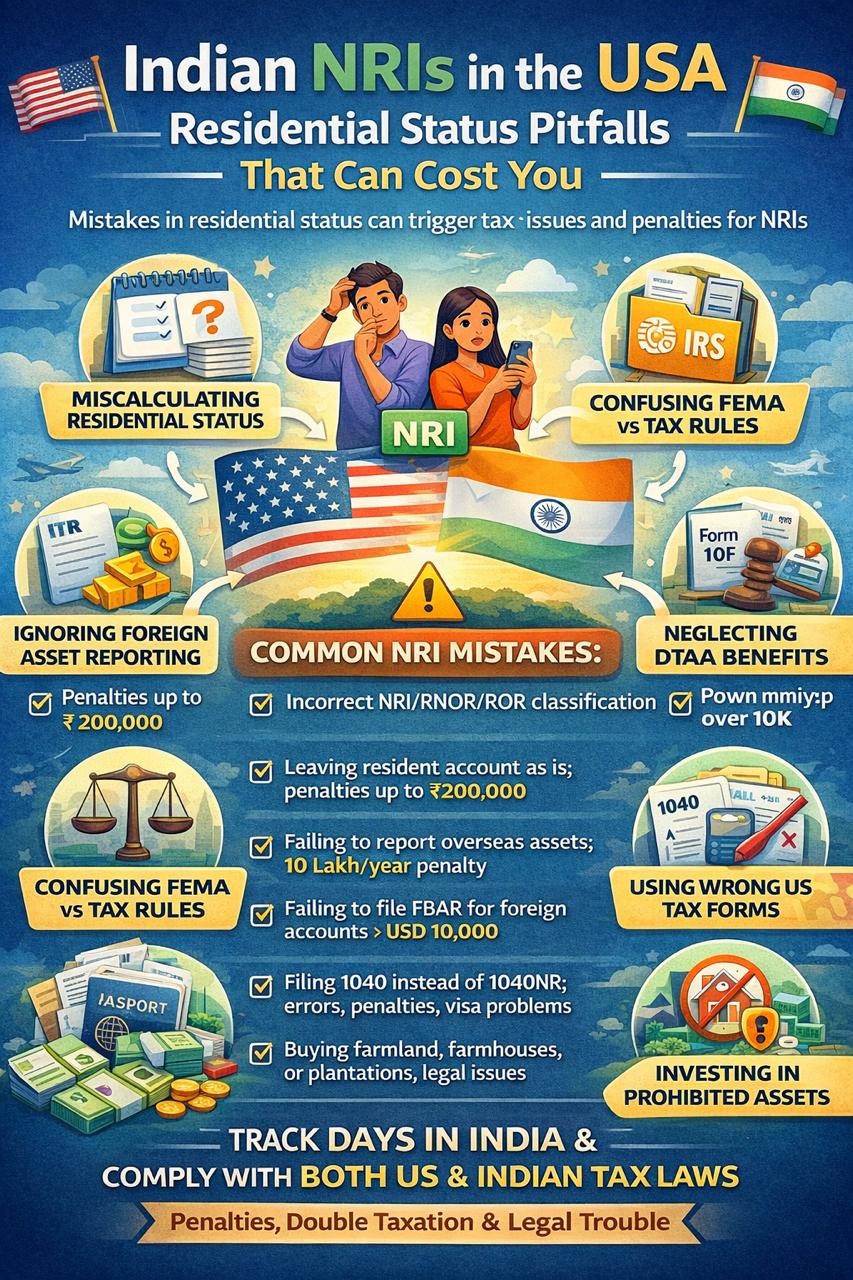
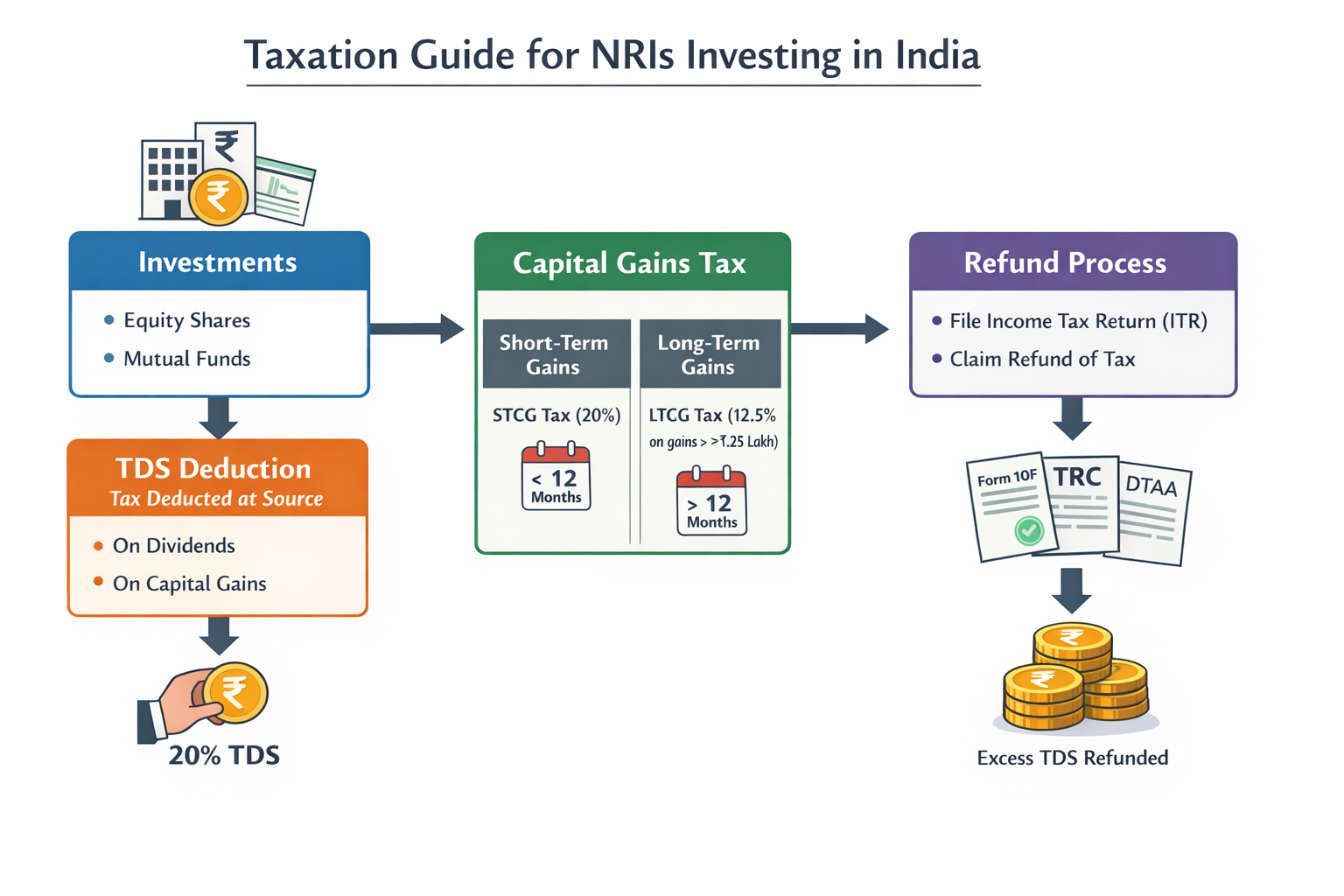
Introduction: The Importance of Accurate Tax Filing
Filing your Income Tax Return (ITR) is a fundamental responsibility for individuals and businesses alike. It is the process through which taxpayers declare their annual income, calculate their tax liabilities, and settle any outstanding dues with the government. While the task may seem intimidating to some, understanding the importance of timely and accurate tax filing is vital for maintaining your financial health and staying compliant with legal obligations.
Beyond just fulfilling a civic duty, proper tax filing ensures smoother access to financial services, eligibility for loans, visa applications, and prompt tax refunds. However, even small errors in filing can lead to delays, penalties, audits, or even legal consequences. In this guide, we’ll explore some of the most common mistakes people make when filing their taxes—and how to avoid them.
Common Mistakes to Avoid While Filing Taxes
Mistake 1: Missing the Due Date for Filing ITR
The deadline for filing your income tax return is usually July 31 of the assessment year for individuals—whether salaried or self-employed. Filing after the deadline can lead to:
- A late filing fee of up to ₹10,000
- Interest at 1% per month on unpaid taxes
- Delayed refunds on any excess taxes paid
Tip: Prepare your documents early and aim to file before the due date to avoid unnecessary stress and penalties.
Mistake 2: Not Filing Tax Returns at All
Failing to file your tax return entirely is a serious offense and can have severe consequences, such as:
- Interest on unpaid taxes from the original due date
- A penalty of up to 50% of the avoided tax amount
- In extreme cases, imprisonment from 3 to 7 years
Tip: Even if your income is below the taxable limit, it’s often beneficial to file, especially if you’re expecting a refund or want to maintain a clean financial record.
Mistake 3: Providing Incorrect Personal Information
Errors in personal details—such as PAN, date of birth, or bank account number—can cause significant issues:
- Incorrect PAN can lead to rejection of the return and possible audits
- Wrong bank details may delay or prevent you from receiving tax refunds
Tip: Always double-check your personal information before submitting the return.
Mistake 4: Not Disclosing All Bank Accounts
Many individuals fail to report all their domestic or foreign bank accounts while filing returns. This is a serious violation and may:
- Lead to penalties
- Trigger investigations or money laundering charges
Tip: Declare all bank accounts, even if dormant, to maintain transparency and compliance.
Mistake 5: Mentioning the Wrong Assessment Year
Choosing the wrong assessment year (AY) can result in:
- Double taxation
- Rejection of the return
- Financial penalties
Tip: For income earned during Financial Year 2024–25, the correct Assessment Year is 2025–26.
Mistake 6: Ignoring Notices or Communication from the IT Department
Ignoring correspondence from the Income Tax Department can lead to:
- Legal action or penalties
- Additional taxes and interest
Tip: If you receive a notice, respond promptly. Address discrepancies or submit missing documents to avoid escalation.
How to Avoid These Mistakes
✅ Use a Checklist
A detailed checklist ensures that you gather all required documents—such as income statements, deduction proofs, and bank details—and don’t miss any critical step in the filing process.
✅ Double-Check All Information
Thoroughly review all personal and financial data. Simple errors in names, PAN, or bank details can cause return rejection or refund delays.
✅ Use Reliable Tax Software or Consult a Professional
Reputable tax platforms can help identify errors and suggest applicable deductions. For complex cases (like capital gains or foreign income), it's best to seek help from a qualified tax professional.
✅ File Electronically and Opt for Direct Deposit
E-filing is faster, more accurate, and more secure than paper filing. Choosing direct deposit ensures you receive your refund promptly and safely.
✅ Start Early to Avoid Last-Minute Filing
Rushing close to the deadline increases the chance of errors and omissions. Beginning early gives you enough time to correct mistakes and make informed decisions.
Conclusion: File Smart, Stay Compliant
Tax filing doesn’t have to be overwhelming. By staying organized, avoiding common mistakes, and filing on time, you can ensure a smooth and hassle-free tax experience. Whether you're a salaried employee, a freelancer, or a business owner, taking a proactive approach to tax compliance not only protects you from penalties but also supports long-term financial stability.
Remember: filing correctly and early isn’t just about following the rules—it’s about making smarter financial choices.
If you have any further questions or need assistance, feel free to reach out to us at admin@ushmaassociates.com or info@nricaservices.com, or contact us via call/WhatsApp at +91 9910075924.
Stay Updated, Stay Compliant!
Disclaimer: Aim of this article is to give basic knowledge about the topic to people who are not in touch with Indian tax norms. When anybody is dealing with these kinds of cases practically, he shall consider all relevant provisions of all applicable Laws like FEMA/Income Tax/RBI /Companies Act etc.