Ushma & Associates

Blogs

Penalties for Non-Compliance with ROC Filings in 2025

Penalties for Non-Compliance with ROC Filings in 2025

Running a successful business is every entrepreneur’s goal, but it also comes with certain legal responsibilities. One of the most important among these is ROC Annual Compliance. As per the Companies Act, 2013, every registered company in India must submit annual returns and financial statements to the Registrar of Companies

Read More »
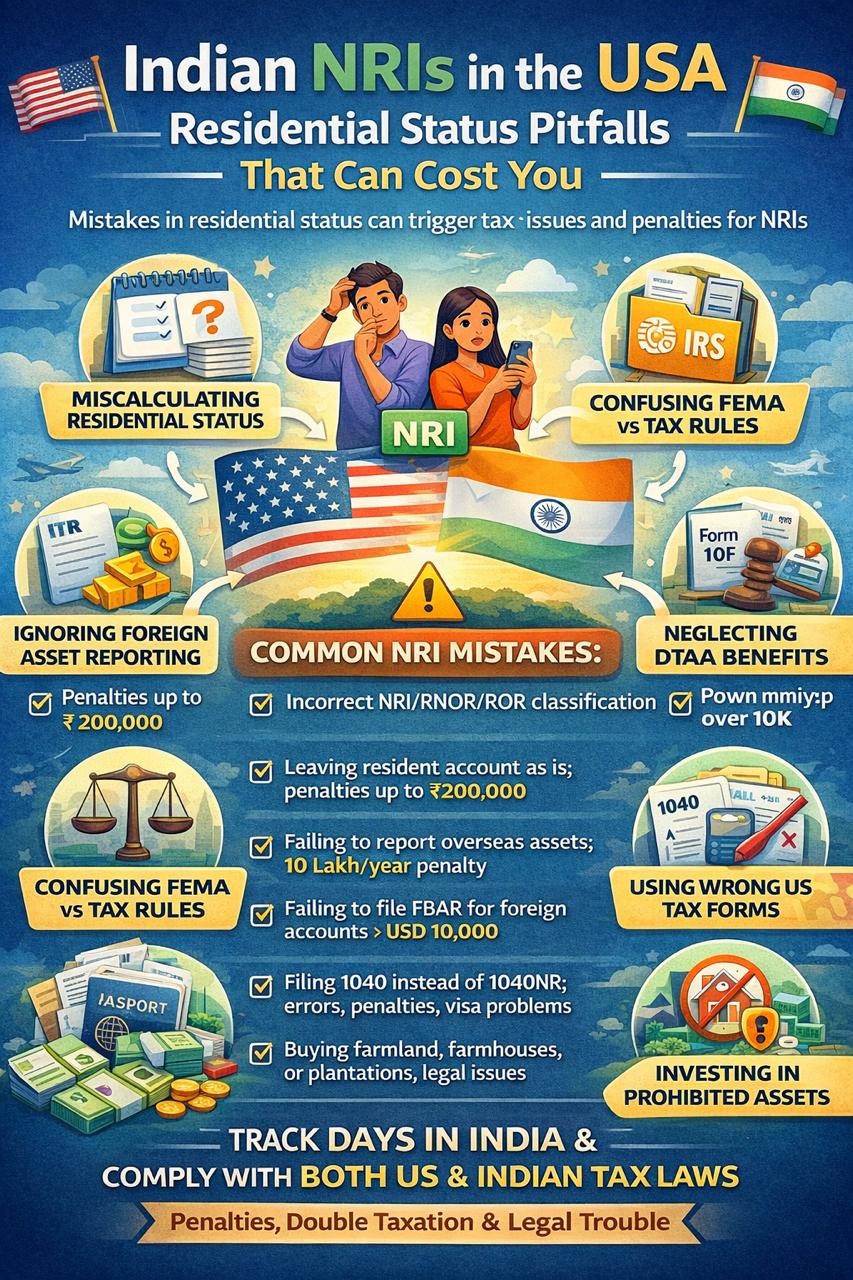
NRI Tax Residency Rules Changing What to Know Before April 2026

NRI Tax Residency Rules Changing: What to Know Before April 2026

The Income Tax Bill 2025, effective from April 1, 2026, introduces significant amendments to India’s tax residency rules, primarily affecting high-income NRIs and Persons of Indian Origin (PIOs). These changes redefine how tax residency is determined and may have substantial implications for income tax liabilities. Understanding the new framework is

Read More »
Understanding Income Tax Return (ITR) Filing for FY 2024-25

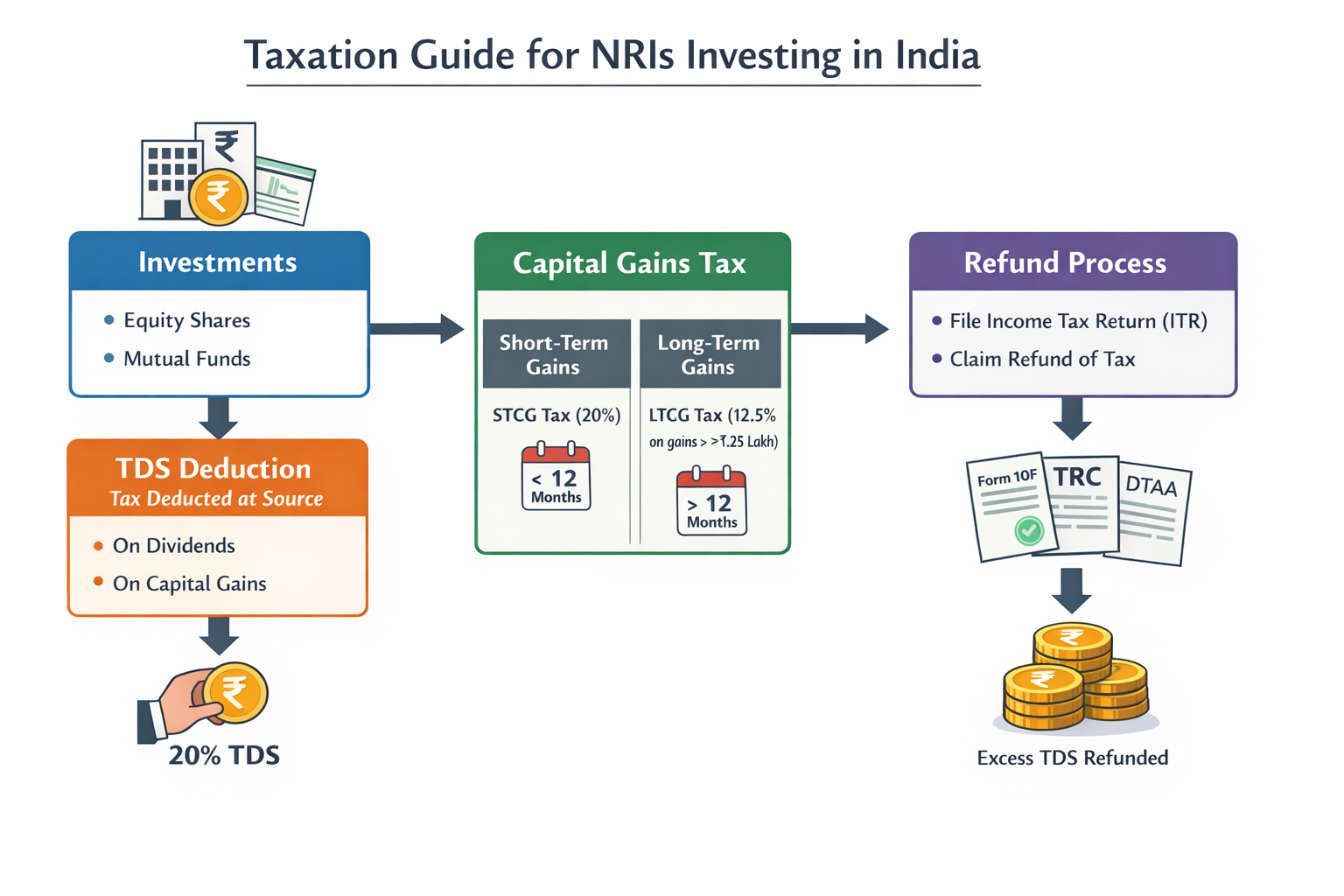
NRI Tax Planning Tips for FY 2025-26

Non-Resident Indians (NRIs) often face greater complexities in taxation than resident taxpayers because their income sources are spread across different countries, and their residency status may change depending on travel and work arrangements. With globalization, investments across borders, and stricter monitoring by tax authorities, careful planning has become essential. For

Read More »
NRI Returning to India – Smart Tax & Stay Planning Guide

NRI Returning to India – Smart Tax & Stay Planning Guide

Planning to return to India after years abroad? Your residential status under Indian Income Tax law plays a crucial role in determining how your global and Indian income will be taxed. A small difference in the number of days you stay can significantly affect your tax liability. In this guide, we’ll cover everything NRIs need

Read More »
MSME Registration – Benefits & Process for Small Businesses

MSME Registration – Benefits & Process for Small Businesses

Micro, Small, and Medium Enterprises (MSMEs) are the backbone of India’s economy, contributing to innovation, employment, and overall industrial growth. To promote these businesses, the Government of India offers several incentives through MSME (Udyam) registration. For small business owners, this registration ensures recognition and access to numerous benefits that support expansion

Read More »
Income Tax Refund (ITR) Status Check for FY 2024-25 (AY 2025-26)

Income Tax Refund (ITR) Status Check for FY 2024-25 (AY 2025-26)

An income tax refund is issued when the total tax paid, including TDS, advance tax, or self-assessment tax, is higher than the actual tax liability for a particular financial year. Taxpayers can claim this refund while filing their Income Tax Return (ITR). Once the return is processed and verified, the refund amount is credited directly to the bank account linked with the

Read More »
Changes in Share Capital – ROC Compliance Explained

Changes in Share Capital – ROC Compliance Explained

Changes in a company’s share capital are common during its growth and expansion phase. However, any modification — whether increasing authorized capital, issuing new shares, or restructuring shareholding — requires strict compliance with the Companies Act, 2013 and reporting to the Registrar of Companies (ROC) within the prescribed timelines. Here’s

Read More »
What is Double Taxation and How NRIs Can Avoid It

What is Double Taxation and How NRIs Can Avoid It

What is Double Taxation? Double taxation occurs when the same income is taxed twice. This commonly happens when: For Non-Resident Indians (NRIs), this can lead to paying taxes in both India and the country of residence, making Double Taxation Avoidance Agreements (DTAA) crucial. What is DTAA? DTAA (Double Taxation Avoidance Agreement) is a

Read More »
Understanding TDS and TCS Compliance for Businesses

Understanding TDS and TCS Compliance for Businesses

What is TDS? Tax Deducted at Source (TDS) is a mechanism where the payer (typically a business) deducts tax at the time of making specified payments—such as salary, rent, contractor fees, or professional services—and deposits it with the government on behalf of the recipient. 🔹 What is TCS? Tax Collected at Source (TCS) applies when

Read More »

Consult Our Expert